Süddeutsche Zucker-Aktiengesellschaft during National Socialism
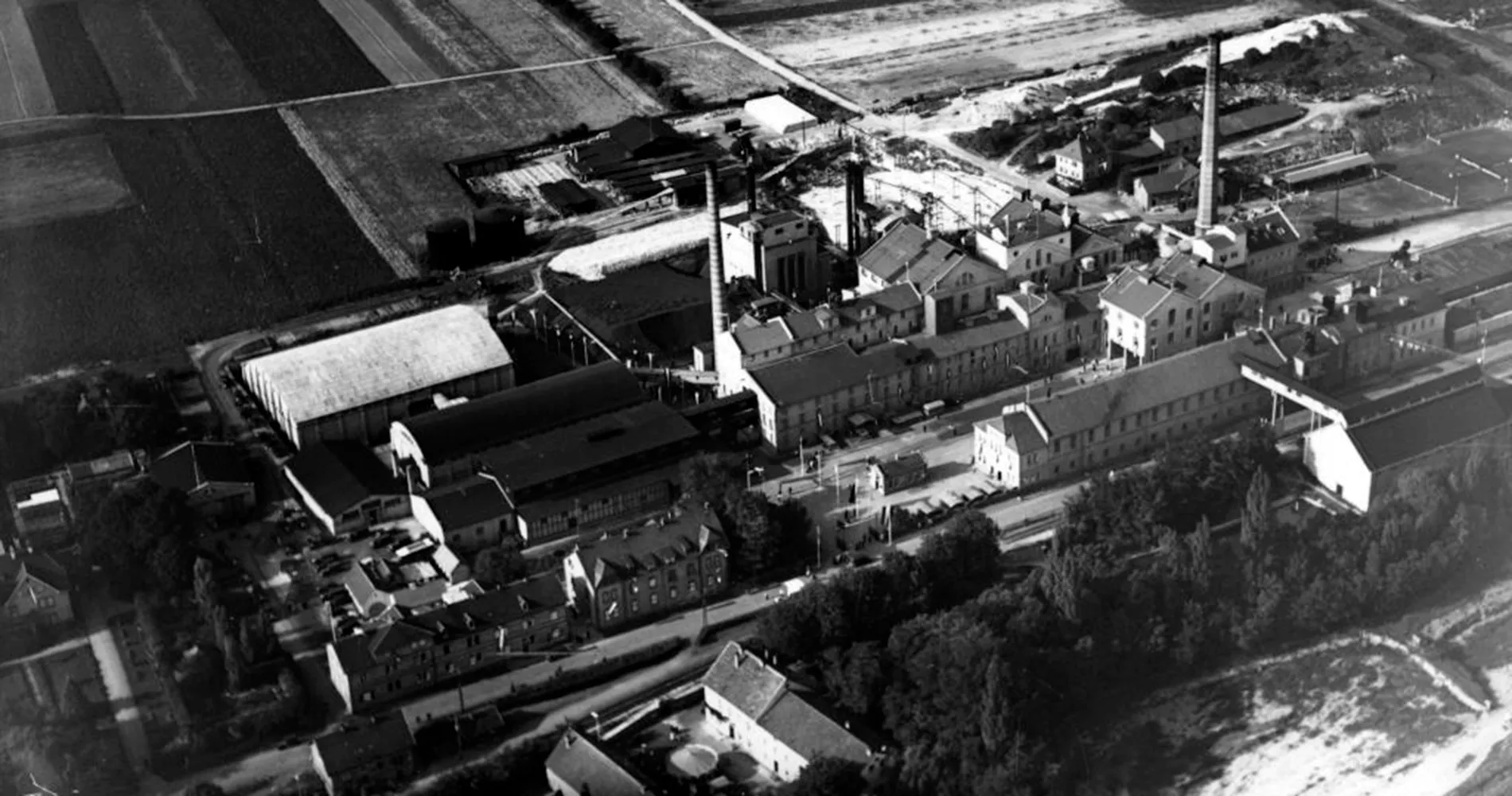
Just under seven years before the National Socialists come to power in 1933, the “Süddeutsche Zucker-Aktiengesellschaft” is founded as a merger of five sugar factory companies – laying the foundation for the company in its current form. Today, Südzucker is a group of companies with locations around the world that is committed to the values of an open, democratic society.
This commitment is also rooted in a critical examination of the company's own past – including a dark chapter such as the period between 1933 and 1945. Süddeutsche Zucker-Aktiengesellschaft also profited from the inhumane, exploitative forced labor system under National Socialism, ousted Jews from the company's committees, and gained business advantages.
Today, the Südzucker Group has a corporate culture that embraces diversity, promotes tolerance, and supports equal opportunities. As an international company with employees of different nationalities, Südzucker is committed to acknowledging the past, taking responsibility, and shaping the future.
Founded in 1926, Süddeutsche Zucker-Aktiengesellschaft is the largest sugar company in the German Reich in 1933. The National Socialists perceive it critically as a large capitalist corporation that exploits small farmers and is also under “Jewish influence.” But at the same time, food and farming, and the food industry, play a big part in the National Socialists' plans and preparations for the war economy. The Süddeutsche Zucker-Aktiengesellschaft is aware of its situation, aligns itself with the new political course, and – despite various frictions with the institutions of the regime – takes advantage of the opportunities offered to it under National Socialism.
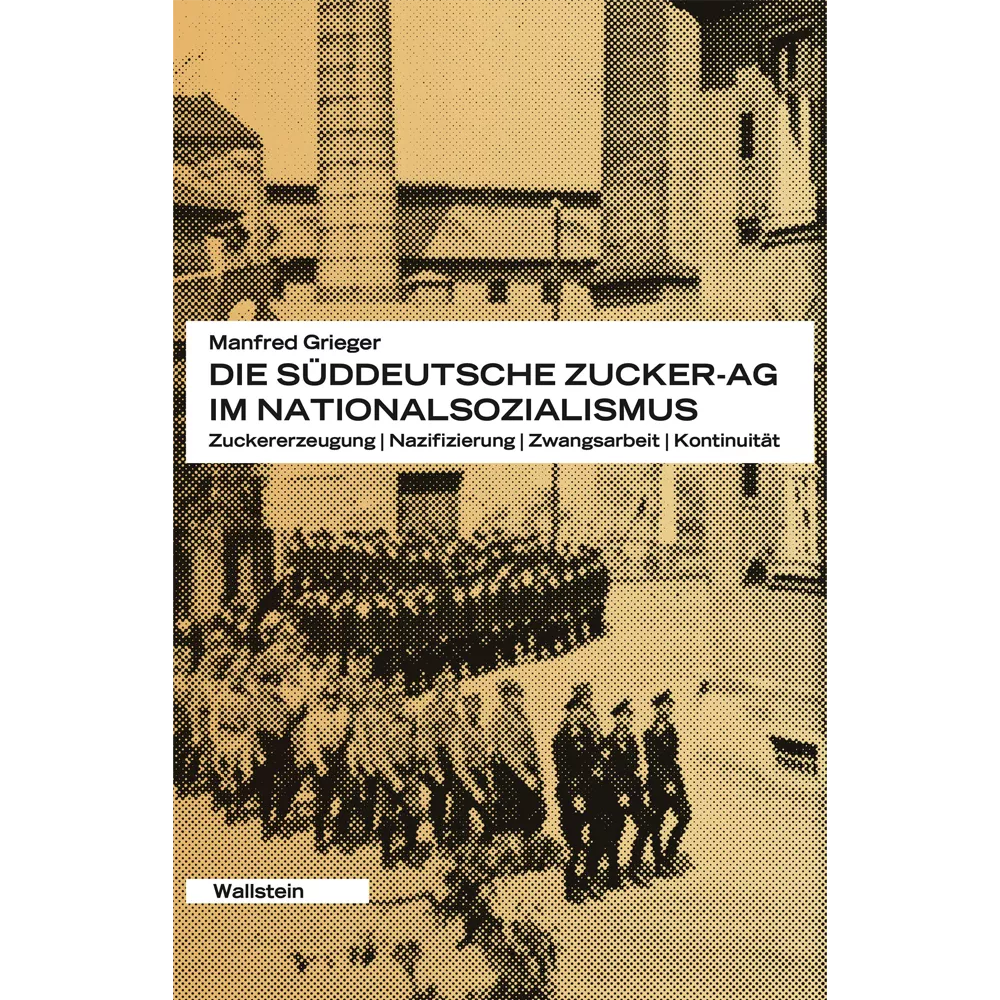
You can find detailed information on these topics in the study “Die Süddeutsche Zucker-AG im Nationalsozialismus – Zuckererzeugung, Nazifizierung, Zwangsarbeit, Kontinuität” (The South German Sugar Corporation under National Socialism – Sugar Production, Nazification, Forced Labor, Continuity) by Manfred Grieger, published in 2025 by Wallstein-Verlag.
From 1933 onwards: Süddeutsche Zucker-AG during the Nazi regime
After the National Socialists have seized power, the number of employees, executive and supervisory board members with an NSDAP party membership also increases at Süddeutsche Zucker-Aktiengesellschaft. Apart from a few exceptions, the company management's rapprochement with the regime is less for ideological reasons than to protect the company's interests. The switch to four-shift production in the sugar factories during the 1933/34 campaign, for example, requires more workers and thus supports the National Socialists' plan to reduce mass unemployment. Existing company social policies are also expanded in line with National Socialist ideology, and various National Socialist activities and initiatives receive financial support.
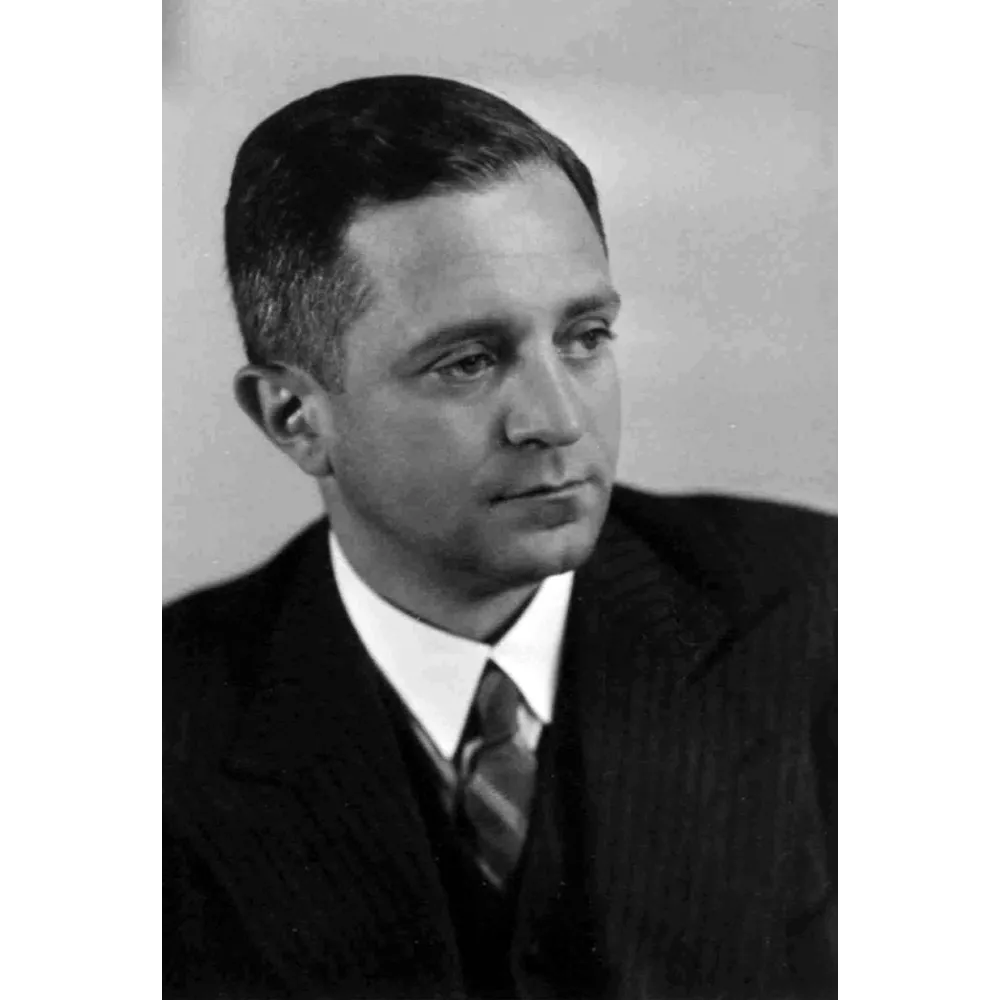
Ousting of Jews from company bodies
The Süddeutsche Zucker-Aktiengesellschaft is considered by the National Socialists to be a company under “Jewish influence,” particularly because several members of its executive and supervisory boards are Jewish, including members of the Flegenheimer family. With increasing Nazification and spreading anti-Semitism, Jewish shareholders and board members come under increasing pressure. Again, not so much for ideological reasons but rather because their continued presence on the boards begins to hinder the economic development of the company under the Nazi regime. In addition, disagreements have long been smoldering on the executive board over unpopular members who have come into management positions from outside the company in previous years. National Socialist racial policy makes it possible to force them out of their positions because of their Jewish roots and restore the power of the “real” Südzucker board members. Albert Flegenheimer, formerly a member of the executive board, manages to remain on the supervisory board until 1937. After that, he is forced to sell his shares and give up his position. He first emigrates to Italy and from there to the USA.
From 1939 onwards: War economy and use of forced laborers
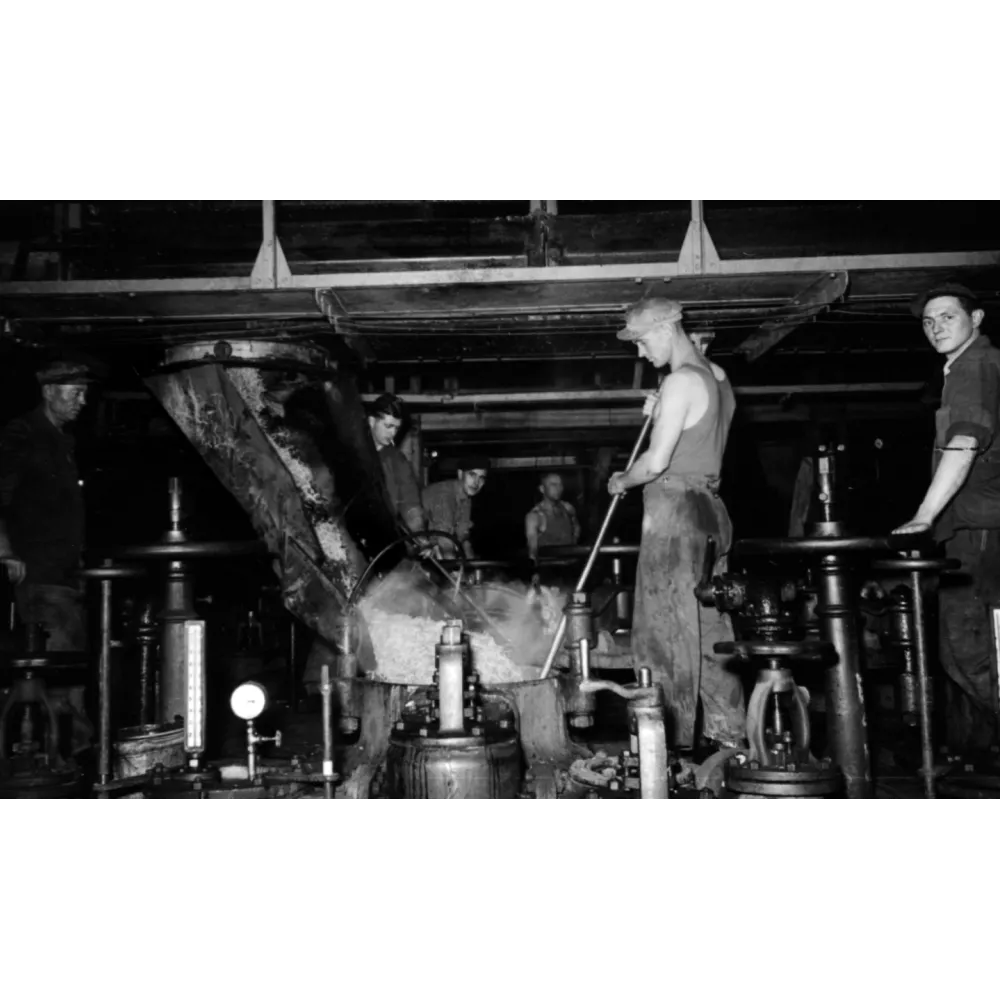
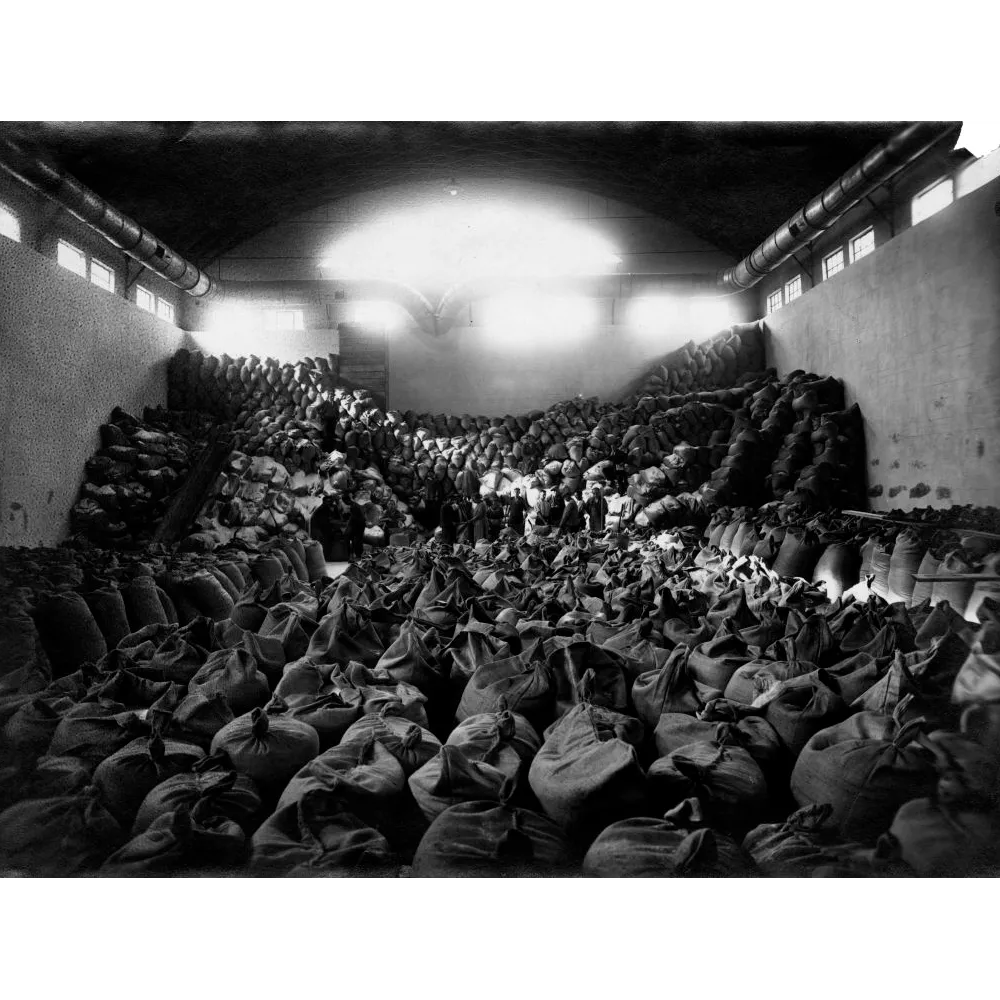
After the start of World War II, beet processing and sugar production continue and even increase. Yet even in the pre-war period, it is not easy to recruit enough workers for the hard physical labor. Many of the Germans assigned through service obligations report sick or spontaneously leave their jobs. The company therefore starts using foreign replacement workers as early as the 1939/40 campaign. During the war, prisoners of war, “civilian workers” from Poland or the Soviet Union, but also German Jews and at least one German Sinto are used for forced labor at all locations of the Süddeutsche Zucker-Aktiengesellschaft. At some locations, they make up more than two-thirds of the workforce during the campaign. It is difficult to determine the exact number, but it can be assumed that during the war years, a total of more than 10,000 men, women, and, in agricultural businesses, children are forced to perform forced labor. It is through them that the campaign and sugar production can be maintained during the war. The company thus participates significantly in the National Socialist forced labor system.
Expansionism
The initial military success of the National Socialists and the occupation of large areas in Eastern and Western Europe also lead to expansion plans at Süddeutsche Zucker-Aktiengesellschaft. In Alsace, the Erstein sugar factory is to be taken over for reasons of prestige – but the plan fails due to Belgian shareholders who do not agree to the sale and the NSDAP Gauleiter, who has other plans for the Alsatian sugar industry. In Ukraine, on the other hand, employees sent by the company manage four sugar factories on a fiduciary basis, speculating that the factories will become the property of Süddeutsche Zucker-Aktiengesellschaft after the war. The advance of the Red Army also thwarts these plans.
Bomb war and a new beginning after 1945
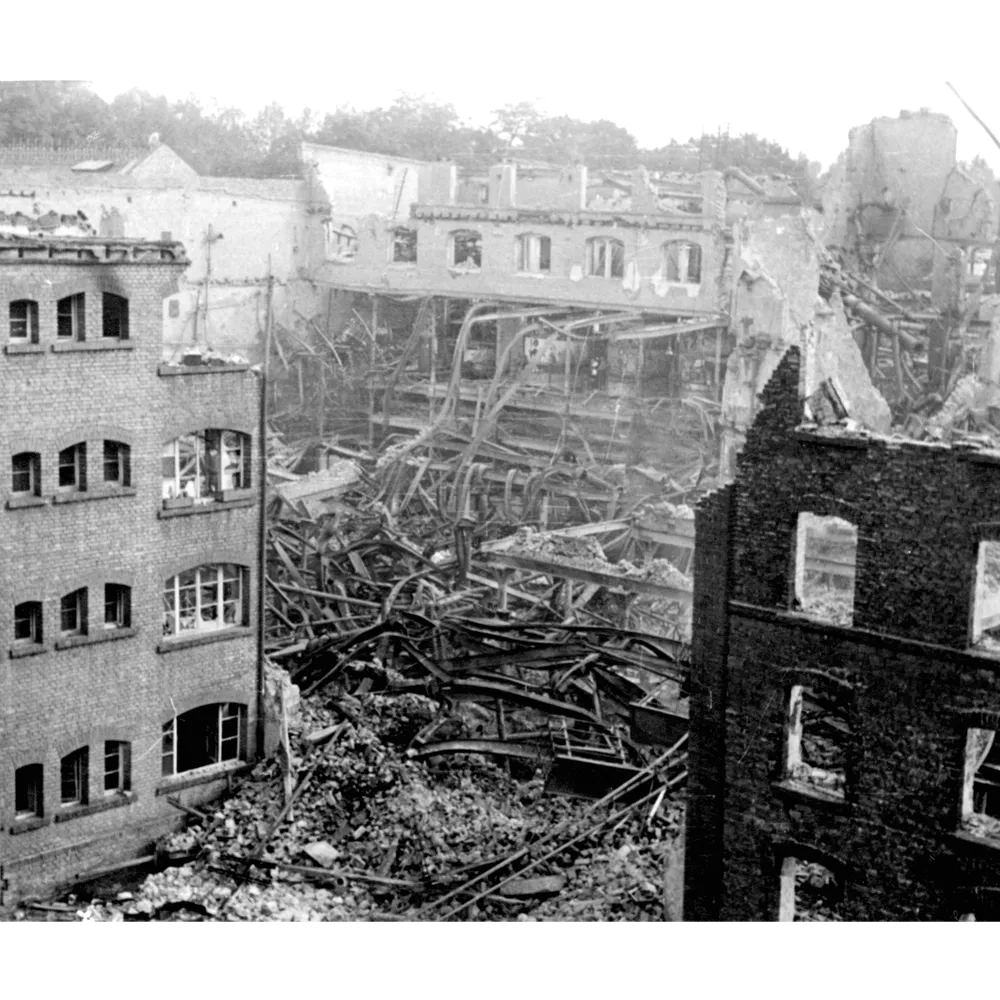
From 1943 onwards, Allied bombing raids hamper production during the campaign. Despite considerable damage in some cases, the sugar factories in southern Germany continue to produce as best they can until the end of the war. But the factory in Frankenthal is completely destroyed, as is the administration in Mannheim. Repairs start immediately after the end of the war, and the factories in southern Germany resume production in the best possible way. Although the company no longer has any influence over its factories in eastern Germany and Silesia, Süddeutsche Zucker-Aktiengesellschaft manages the transition to the post-war period without any major disruptions.
Reappraisal and compensation
In 2000, Südzucker AG joined the German business initiative “ Erinnerung, Verantwortung, Zukunft” (“EVZ”; “Remembrance, Responsibility and Future”), which had been founded in the same year. German companies – including Südzucker – contributed a total of around five billion Deutsche Mark to the fund managed by the foundation, which amounted to ten billion Deutsche Mark. “The Südzucker Group is facing up to its historical responsibility,” states the 1999/2000 annual report. The money was used to compensate former forced laborers and other victims of the Nazi dictatorship and to set up the “Remembrance and Future” fund.
On the occasion of its 75th anniversary in 2001, the company published the first historical account of its own Nazi era. However, Prof. Manfred Pohl's book, “Die Geschichte der Südzucker AG” (“The History of Südzucker AG”), focused more on the top management and its development. Due to intensive internal discussions on topics such as the protection of human rights and social responsibility, the issue has once again become a major focus in recent years. For this reason, Südzucker initiated a new study, which has been available as a book by Prof. Manfred Grieger since July 2025. The study takes a detailed look at topics that were not sufficiently addressed in previous accounts of the company's history between 1933 and 1945.
As part of the publication of the study, Südzucker also implemented the EVZ Foundation's program “Informed, courageous, committed! A joint initiative against anti-Semitism” in 2024. The program taught employees how to recognize anti-Semitism and respond to it. Participants also shared their knowledge within the company as multipliers. Südzucker plans to continue thinking and acting in this direction in the future.